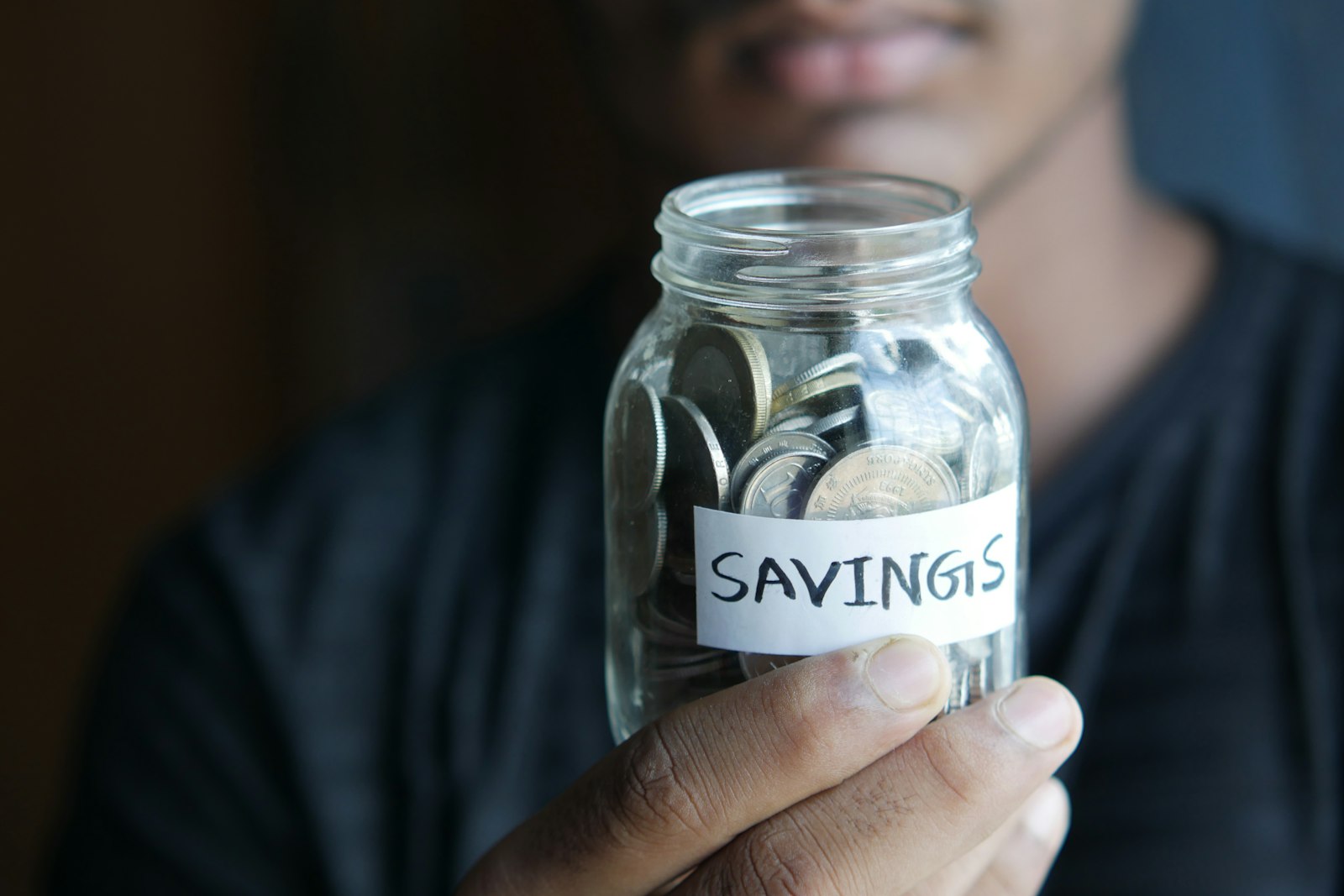
An emergency fund turns a crisis into an inconvenience. The right size depends on your expenses, how stable your income is and who depends on you.
Key takeaways
- An emergency fund covers unexpected costs such as job loss, medical bills or urgent repairs.
- A common guideline is three to six months of essential expenses, but the right amount varies.
- Keep it somewhere safe and easy to reach, such as an insured savings account.
- Start small; even a starter fund can keep a surprise expense off a credit card.
An emergency fund is money set aside for the unexpected: a lost job, a medical bill, a car that won’t start. Without one, surprises often end up on credit cards. With one, they’re still stressful, but manageable.
How much to save
| Situation | A common starting point |
|---|---|
| Stable income, few dependents | About three months of essential expenses |
| Variable income or a single earner | Closer to six months, or more |
| Starting from zero | A small starter fund first, then build up |
Essential expenses include housing, utilities, food, insurance, transportation and minimum debt payments. They don’t include your full lifestyle spending.
Worth noting
These are guidelines, not rules. Think about how long it might take you to replace your income and which costs you could pause in a crisis.
Where to keep it
- Separate from checking, so you don’t spend it by accident.
- Safe: in a savings account at a bank insured by the FDIC or a credit union insured by the NCUA.
- Accessible: you should be able to reach the money within a day or two.
Our comparison of high-yield and regular savings accounts explains the options.
How to build it
- Add up one month of essential expenses.
- Set a first milestone, such as one month’s worth.
- Automate a transfer each payday. See how to automate your savings.
- Add windfalls, such as tax refunds or bonuses, when you get them.
Money tip
Naming the account “Emergency fund” can make it easier to resist dipping into it for everyday wants.
Finding money to save
- Look for small savings in your budget; our guide to lowering monthly bills has ideas.
- Save part of any raise before you get used to spending it.
- Sell items you no longer use and put the proceeds in the fund.
Common mistakes
- Keeping it in checking, where it blends into everyday spending.
- Investing it in assets whose value can drop, such as stocks, when you might need the money on short notice.
- Using it for planned costs, like holidays or annual bills, which leaves less for real emergencies.
- Stopping after the first milestone instead of building toward a cushion that fits your situation.
When you use it
- Use it for real emergencies, without guilt. That’s what it’s for.
- Rebuild it afterward with the same automatic transfers.
- Keep planned costs separate with sinking funds, so the emergency fund stays intact.
The bottom line
Aim for a cushion that fits your situation, keep it safe and separate, and build it automatically. Even a small fund is a strong first step, and it makes every other money goal easier to protect.
Common questions
What counts as an emergency?
Unexpected, necessary expenses such as losing income, urgent medical costs or essential car and home repairs. Planned costs like holidays are better handled with separate savings.
Should I save for emergencies or pay off debt first?
Many people build a small starter emergency fund first, then focus on high-interest debt, then grow the fund further. That way a surprise expense doesn’t push them deeper into debt.
Where should I keep my emergency fund?
Somewhere safe, separate from everyday spending and quick to access, such as a savings account at a federally insured bank or credit union.
This article is for general information and education only and isn’t personal financial, tax or legal advice. Rates, fees and rules change, so check current details with the provider or an official source before making decisions.